
Writers and speakers often think in formats. We write a book, prepare a keynote, record a podcast, teach a workshop, or create a video. But the format is not the most valuable thing we have. The message is.
The way people consume information today is already different from the way they consumed it ten years ago, and those differences are changing faster than ever. If we become too attached to one format or communication channel, we may eventually find ourselves maintaining something that no longer serves our audience. But if we build around a message, that message can travel wherever people go.
For writers and speakers, adaptability does not mean chasing every trend or trying to become an expert in every new medium. It means recognizing that the work we have already created may have more than one life. A book does not have to be the finish line, and neither does a keynote. One of the most useful questions I have learned to ask about my work is: Where else could this message do some good?
A chapter might become a workshop or a course. A keynote might become a series of short videos on social media. A question someone asks after a presentation might become an article, a podcast episode, a meme, or the beginning of your next book. The goal is not to keep creating more and more material until we exhaust ourselves. The goal is to become better at recognizing the potential already sitting inside the material we have.
Many communicators get stuck searching for their next idea. Adaptable communicators learn to recognize how one strong idea can take different forms and travel to new places and new audiences. That shift can change the way we approach our work, giving us fresh ways to use material we have already created.
After you finish a substantial piece of writing or speaking, take a few minutes and ask yourself three questions:
- What was the one line people reacted to?
- What did I have to leave out?
- What question did someone ask afterward?
Those answers often reveal where the message wants to go next.
Adaptability also requires us to hold our formats loosely. A format that is effective today may be less useful a few years from now, and a new medium may emerge that helps us reach people in ways we could not have imagined. We cannot predict every change, and we do not need to.
Formats change. Principles endure.
People will still respond to ideas that solve real problems, create emotional connection, are easy to understand, and invite conversation. Our task is not to master every possible format. It is to understand our message well enough that we can carry it into the forms that make the most sense for the people we are trying to reach.
The goal is not to become a content creator for the sake of producing content or an influencer for the sake of influence. It is to become an adaptable communicator—someone whose message can travel, whose ideas can grow, and whose work is not limited to one book, one stage, one format, or one season.
Your best idea may already be in your hands. The question is whether you are willing to let it travel.
If you were to repurpose one thing you have already created, what would you choose, and what would it become? I look forward to reading your responses.

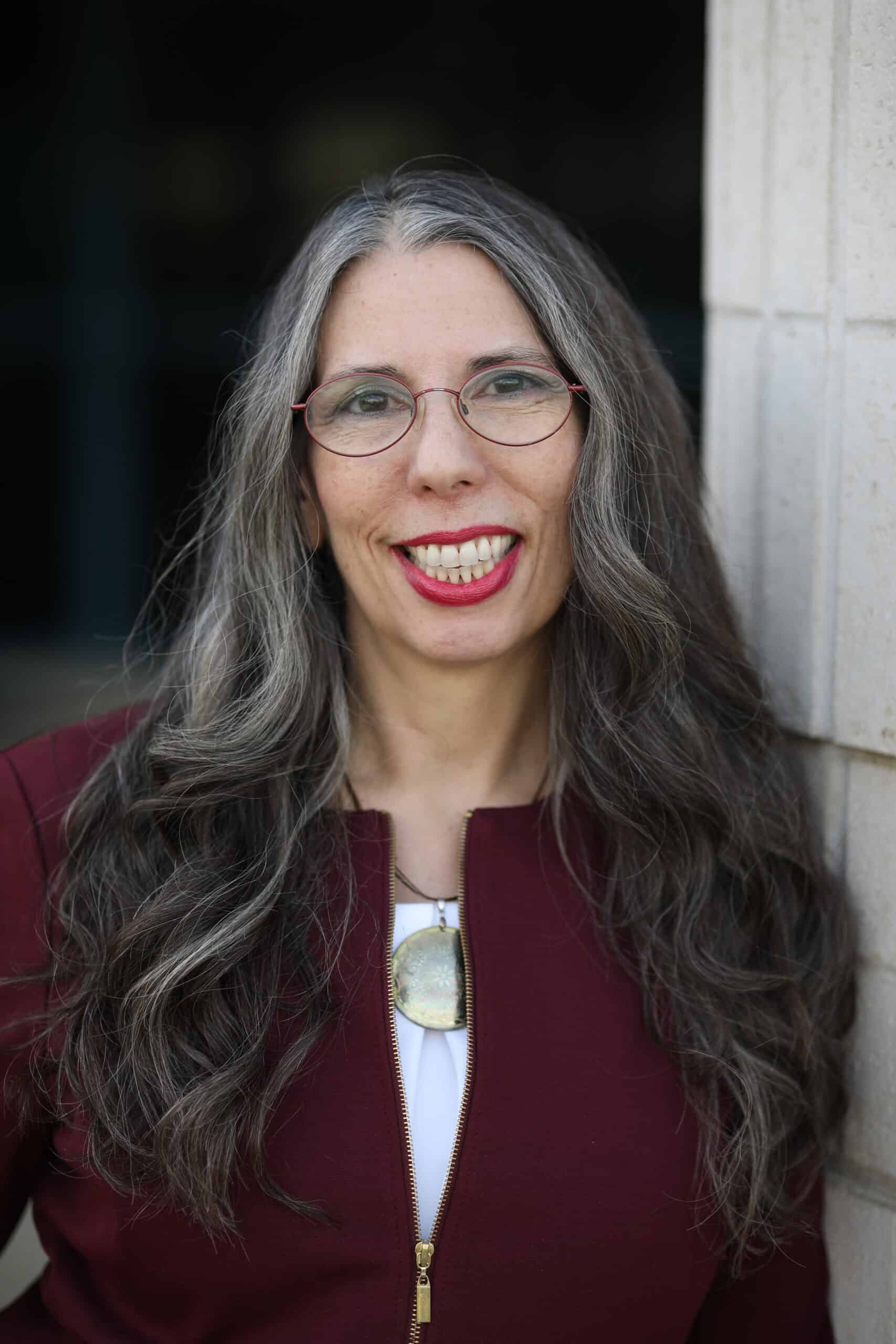
About Teresa Janzen
Teresa Janzen is founder and editor-in-chief of Abundance Books, an award-winning author, speaker, and writing and speaking coach. With more than twenty-five years of leadership experience, she equips writers and communicators to develop clear, compelling messages, strengthen their craft, and share their work with purpose. She is completing a Doctor of Ministry at Fuller Theological Seminary, focusing on adaptive leadership and resilience. Connect with Teresa at www.teresajanzen.com and www.abundance-books.com.

